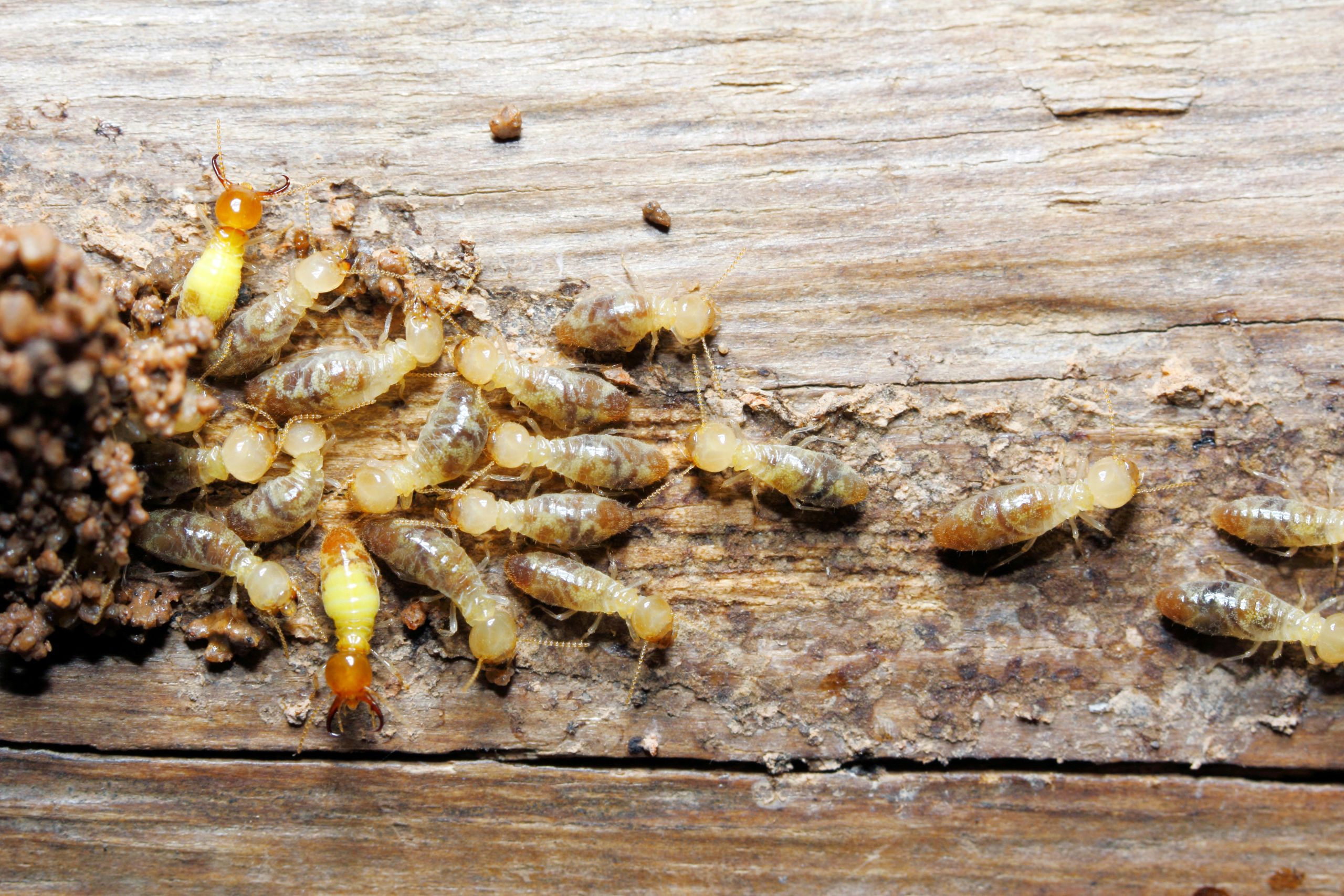
Termites are a fact of life along the Coffs Coast, especially in leafy suburbs and properties near bushland or waterways, so understanding your termite risk is essential. If you’re buying around Coffs Harbour, Sawtell, Toormina, Boambee, Sapphire/Moonee Beach, Korora, Woolgoolga, Emerald/Red Rock, Orara Valley (Karangi/Coramba), Bellingen, Urunga and Nambucca Heads, understanding conducive conditions and local trisk factors helps you avoid major repair bills.
Why Mid North Coast Properties Are Vulnerable
- Climate: Warm, humid months, summer storms and occasional prolonged rain create ideal termite conditions.
- Construction: Timber-framed homes, landscaping sleepers and subfloors with limited ventilation invite attack.
- Gardens: Raised beds, dense plantings and mulch against walls keep timbers damp and concealed.
Area Snapshot (Local Trends)
- Coffs Harbour, Korora, Sapphire & Moonee Beach: Coastal moisture, sandy soils and lush gardens increase risk—weep holes are often bridged by garden beds or paving.
- Sawtell, Toormina & Boambee: Established housing with subfloors; ventilation, drainage and timber fences/sleepers are common issues.
- Woolgoolga to Red/Emerald Beach: Salt air plus holiday-home maintenance gaps can mean undetected leaks and conducive conditions.
- Orara Valley (Karangi, Coramba): Leafy, semi-rural blocks with retained moisture; stored firewood and untreated outbuildings are frequent red flags.
- Bellingen, Urunga & Nambucca: High-rainfall pockets and older housing stock demand diligent guttering, downpipes and ground clearance.
Conducive Conditions We See Most
- Garden beds or paving above the damp-proof course.
- Leaking external taps near slab edges or piers.
- Mulch and sleepers bridging termite barriers.
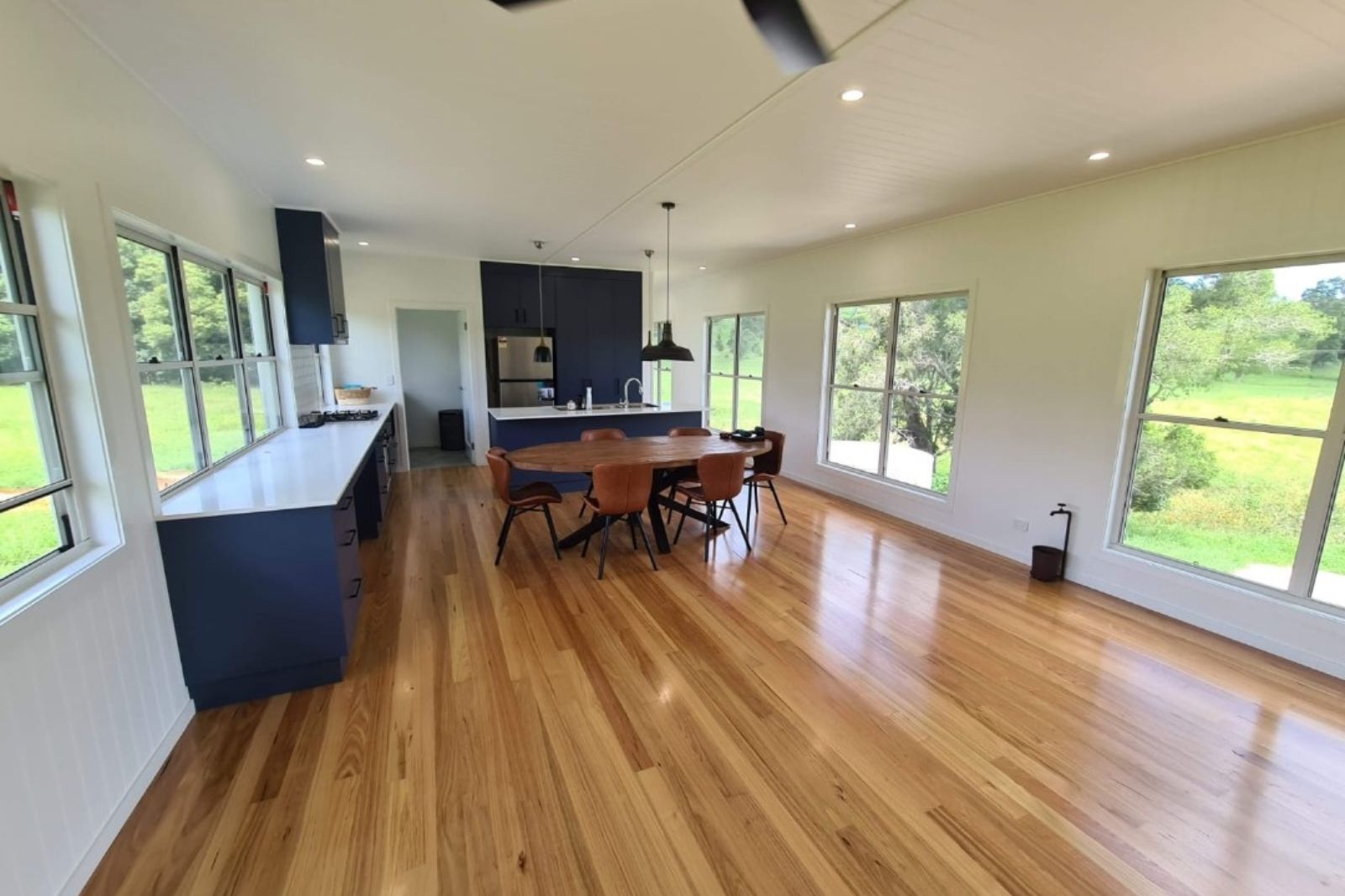
- Poor subfloor airflow (blocked vents, stored items, low clearance).
- Untreated/unprotected timber decks, fences and pergolas.
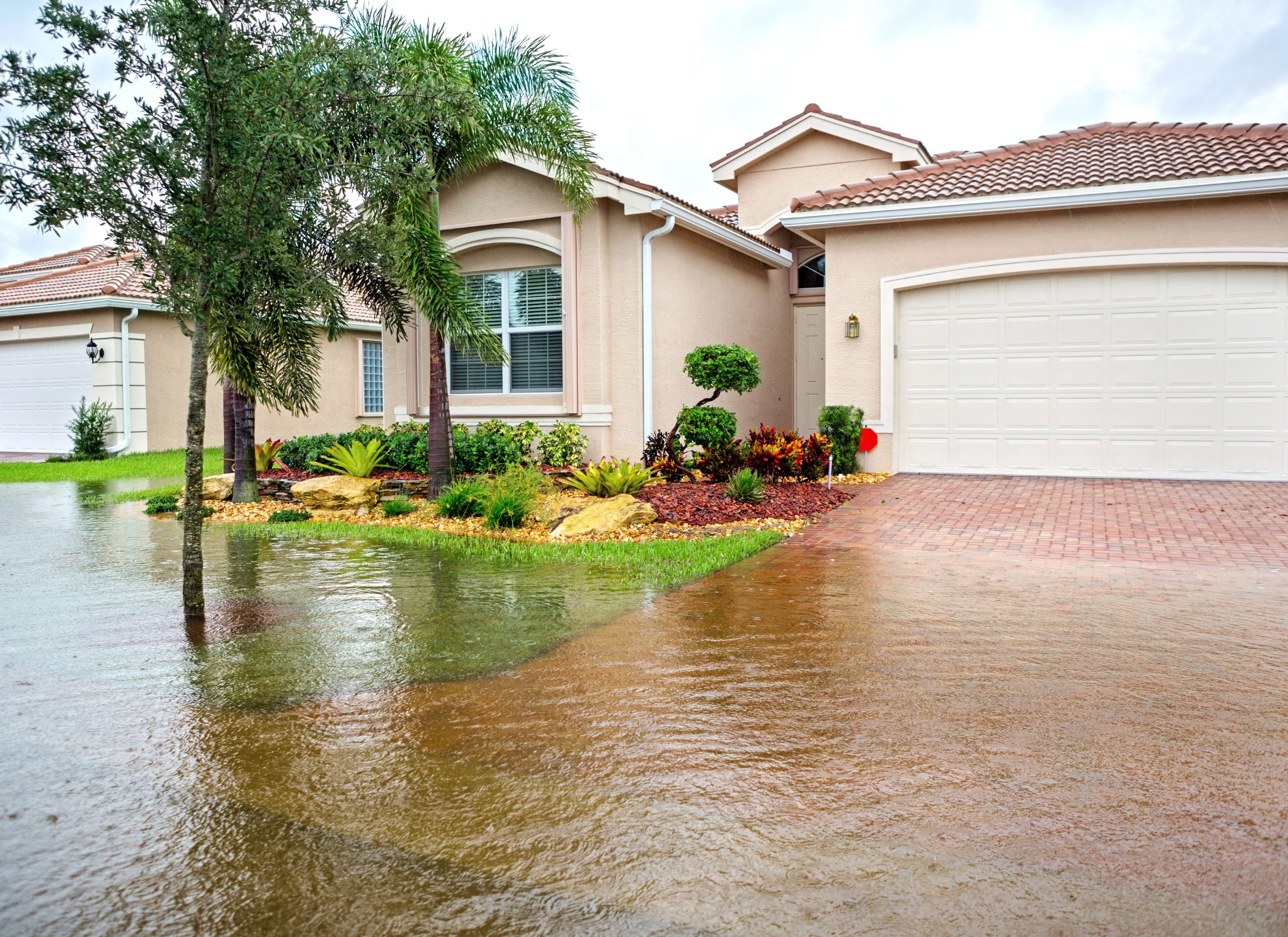
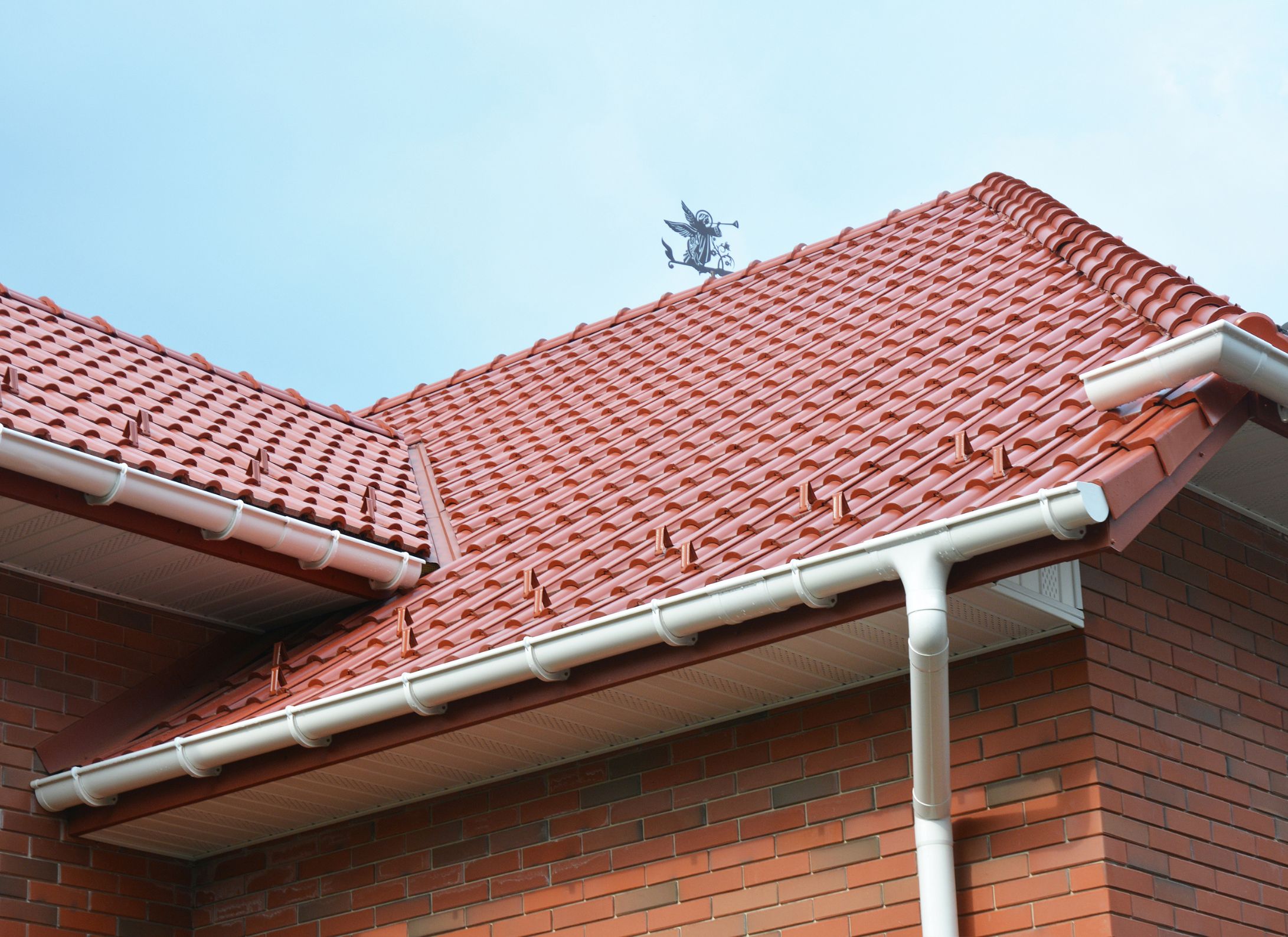
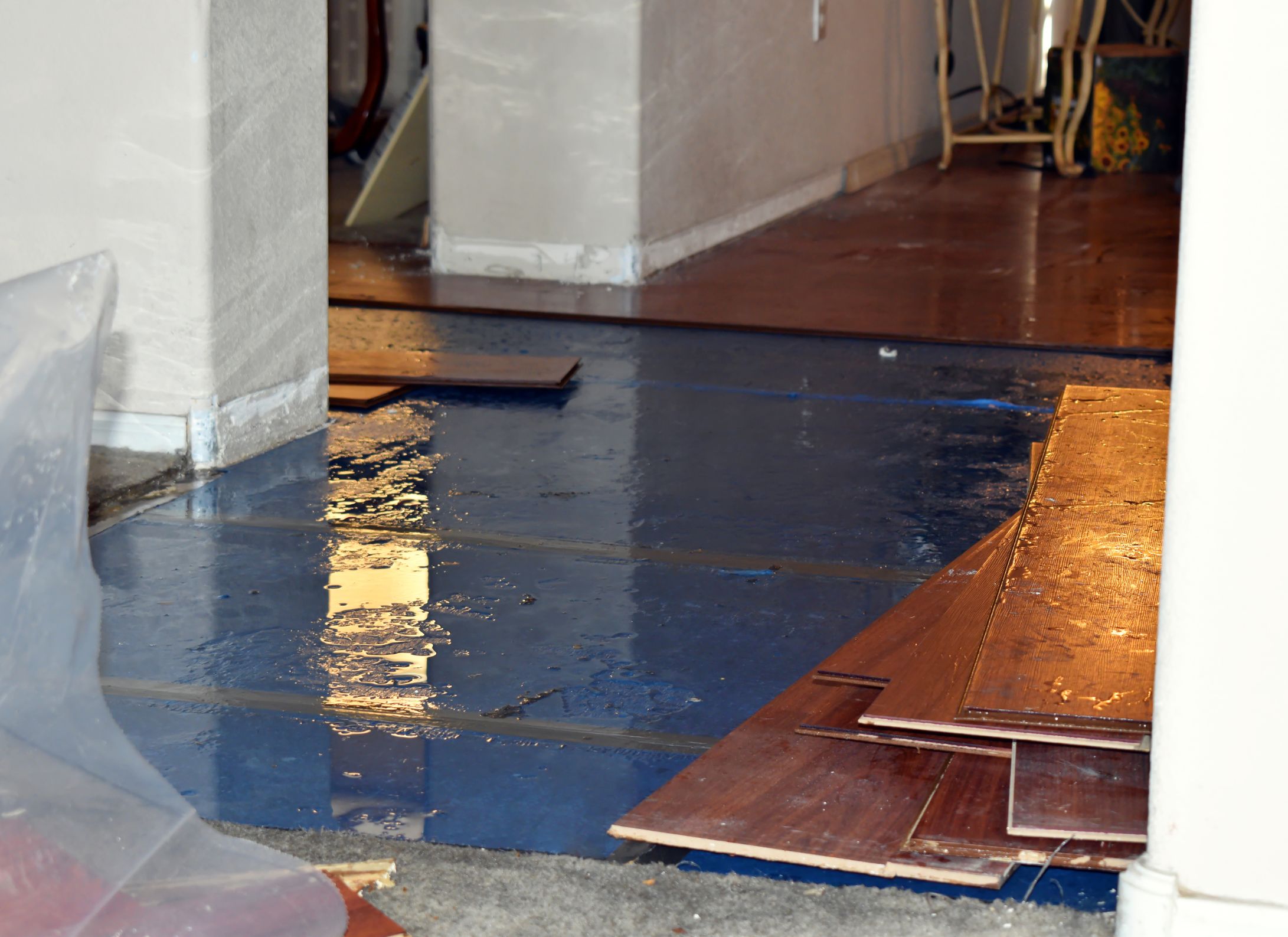
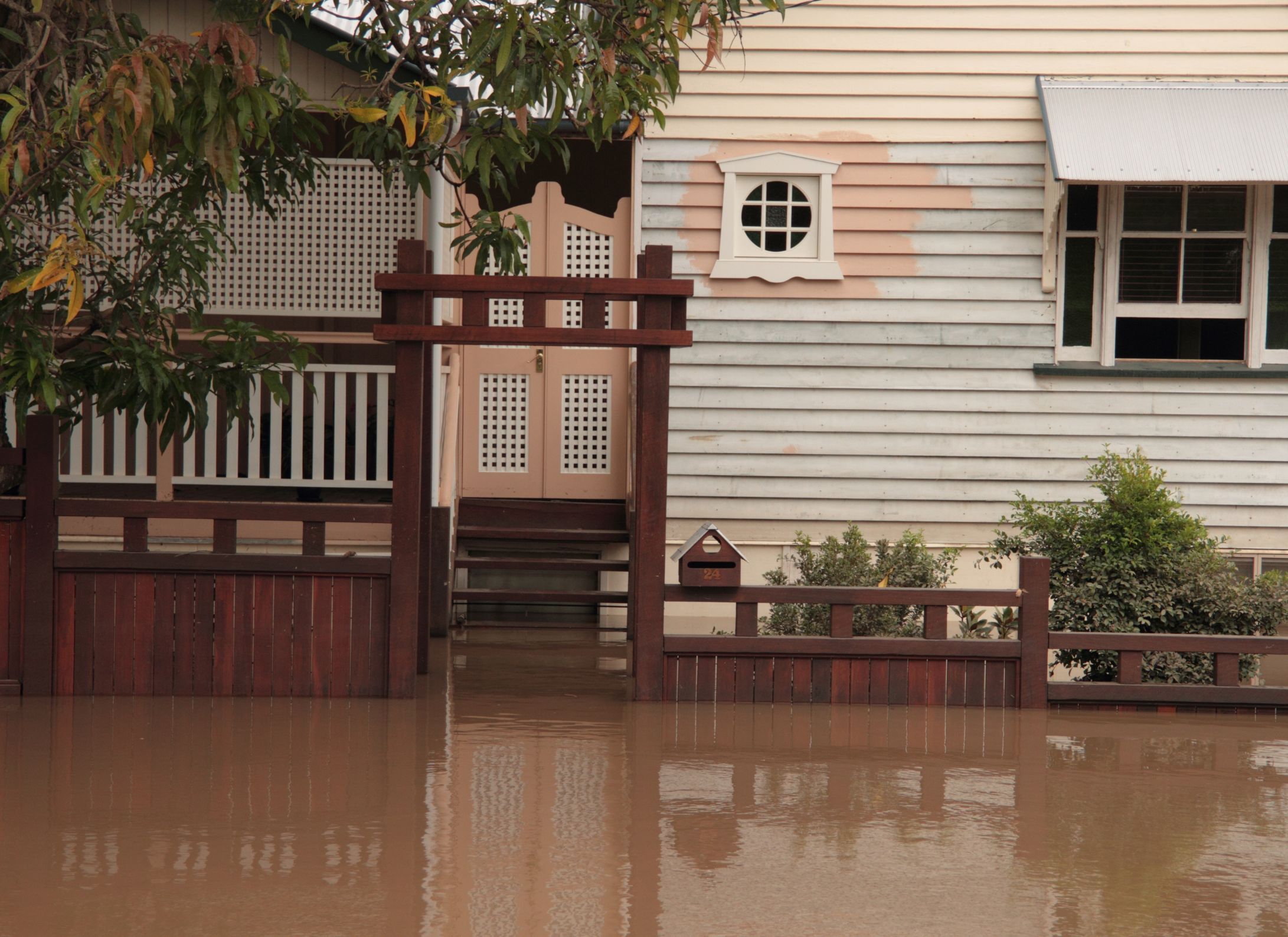
- Moisture ingress from faulty gutters, downpipes or stormwater discharge.
What a Timber Pest Inspection Covers
- Internal & external visual checks for termite activity and damage.
- Subfloor assessment (where accessible) for mud tubes, damp and timber decay.
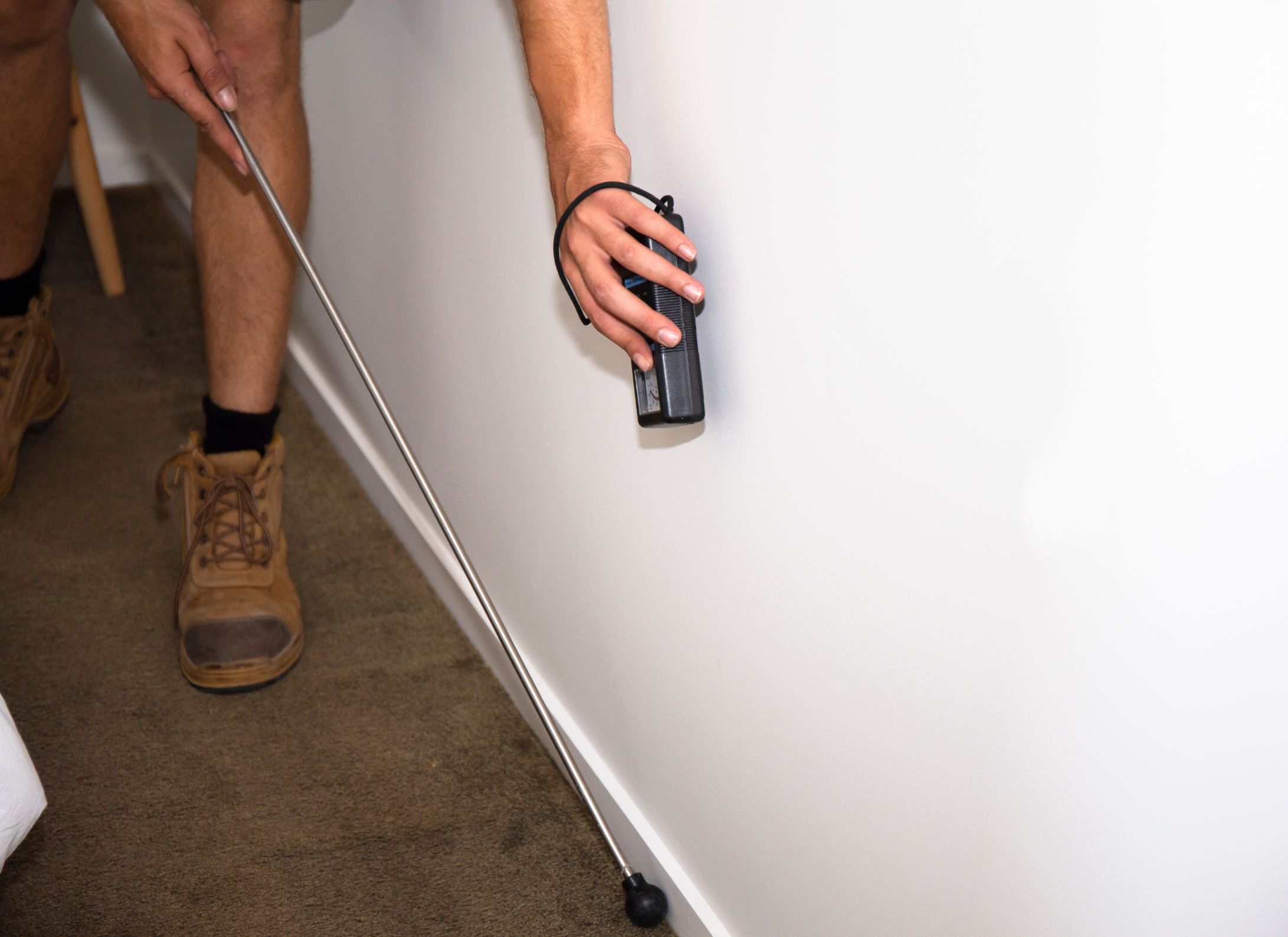
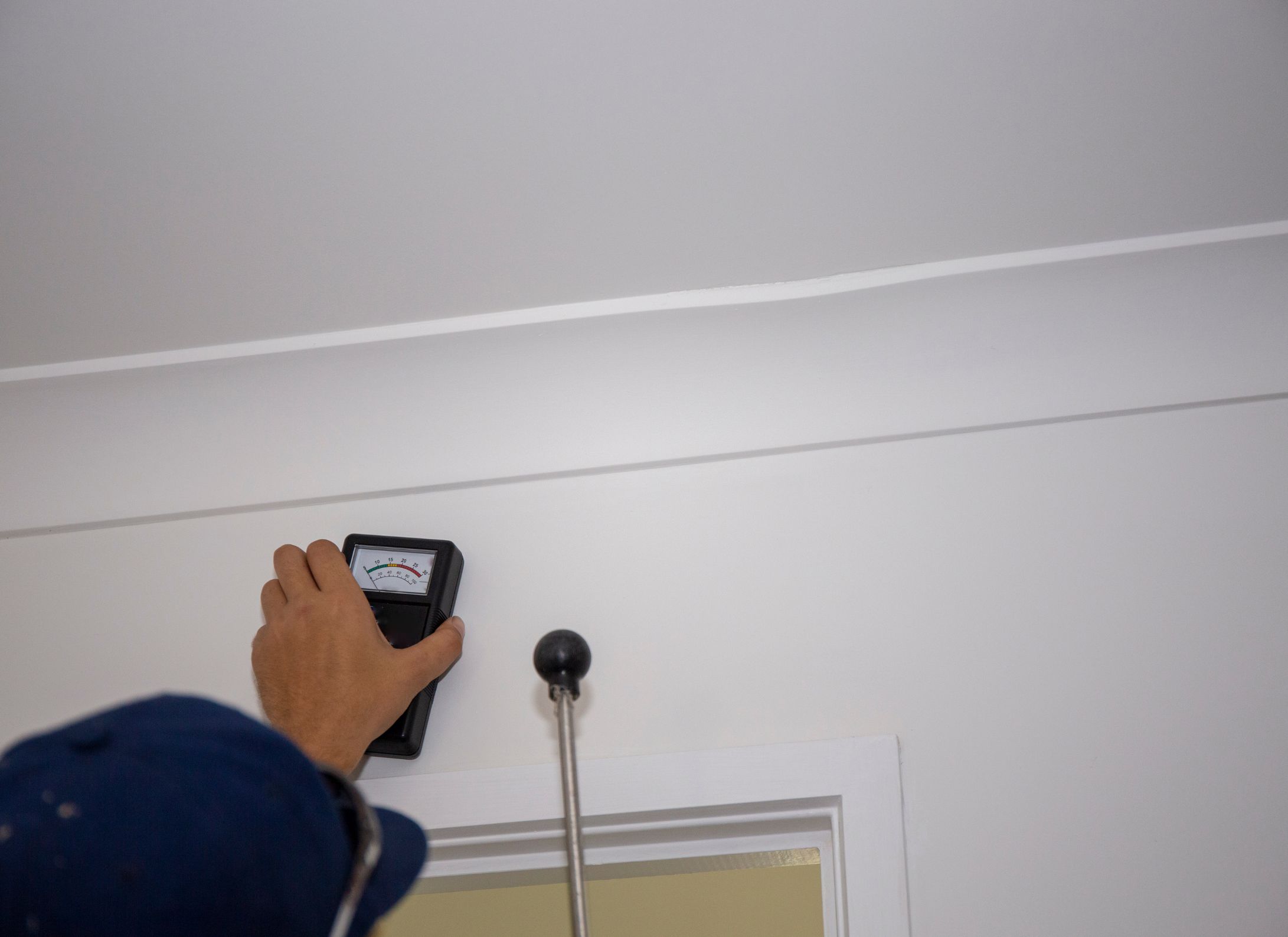
- Moisture readings around wet areas and suspect walls.
- Identification of conducive conditions with practical, localised recommendations.
- Management advice: physical/chemical barriers, monitoring stations and maintenance changes suited to Coffs’ climate.
Prevention Playbook for Coffs Harbour Owners
- Maintain 150 mm clearance from ground to weep holes.
- Keep mulch, sleepers and firewood well away from external walls.
- Fix leaking taps, downpipes and gutters promptly; ensure lawful stormwater discharge.
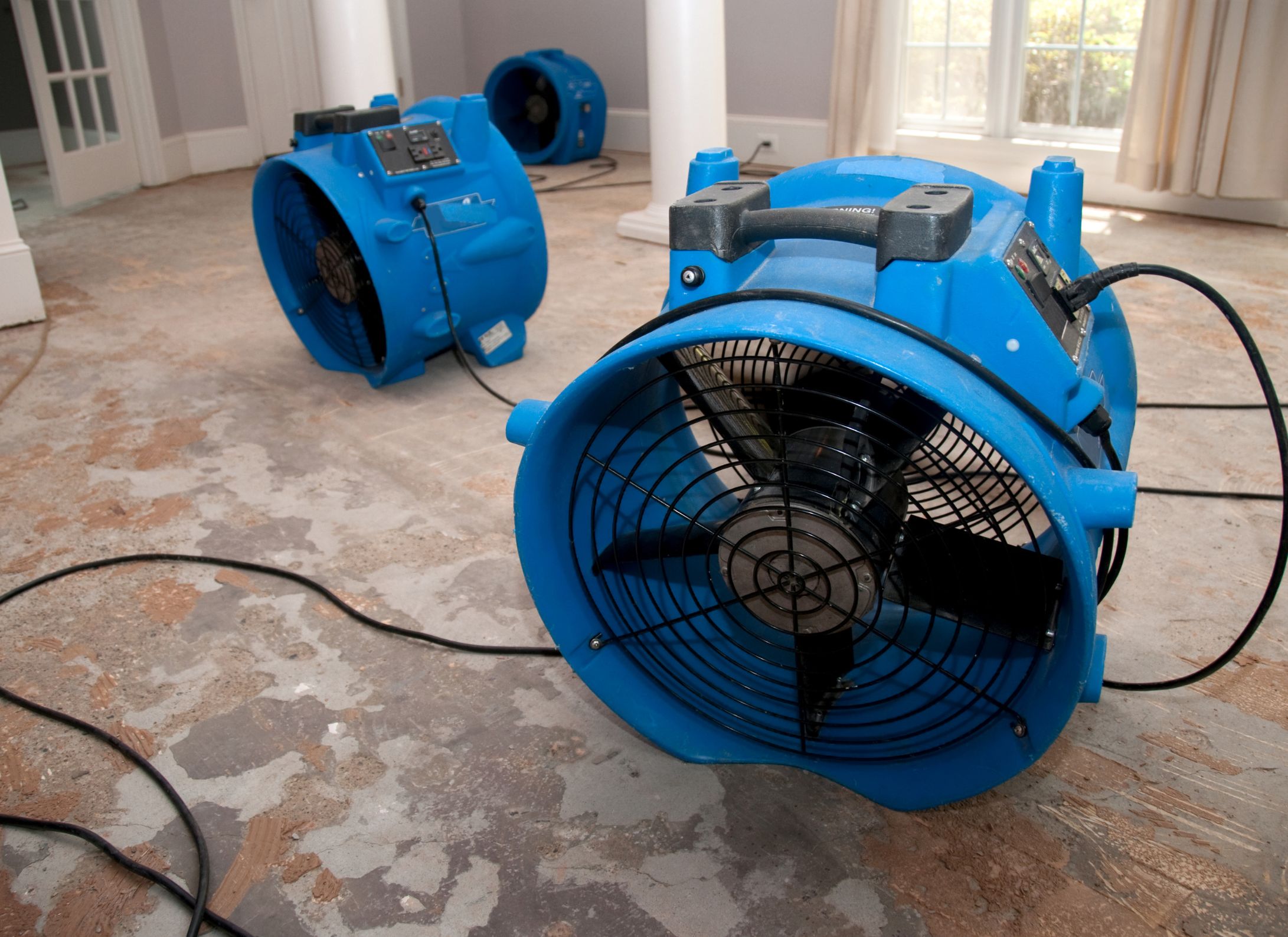
- Improve subfloor ventilation; consider fans where crossflow is limited.
- Choose termite-resistant materials for decks and landscaping in coastal zones.
- Follow a regular inspection schedule—annually for most homes, or more often in high-risk suburbs or after major rain events.
Buying Soon?
A pre-purchase timber pest inspection is essential due diligence on the Mid North Coast. Even if no active termites are found, removing conducive conditions now can save you from costly attacks later.
Protect your purchase with a thorough inspection from ausbuildinspection.com.au, clear findings, photos and practical steps to keep your Coffs Harbour home termite-safe. Call us today on 0492 970 451.