
Buying new property is exciting, but it also comes with risk. A thorough pre-purchase building and pest inspection protects you from expensive surprises and provides leverage when negotiating. Here’s a plain-English checklist of what professional inspectors look for, and how to use the findings to make a confident decision.
1) Structure & Movement
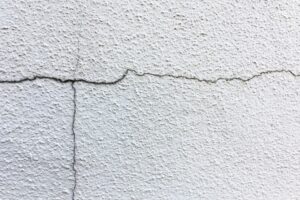
Inspectors assess foundations, subfloor supports, load-bearing walls and lintels for signs of settlement, deflection or past alterations. Hairline plaster cracks are common; stepped cracks in brickwork or uneven floors suggest movement that needs investigation.
2) Moisture & Water Ingress
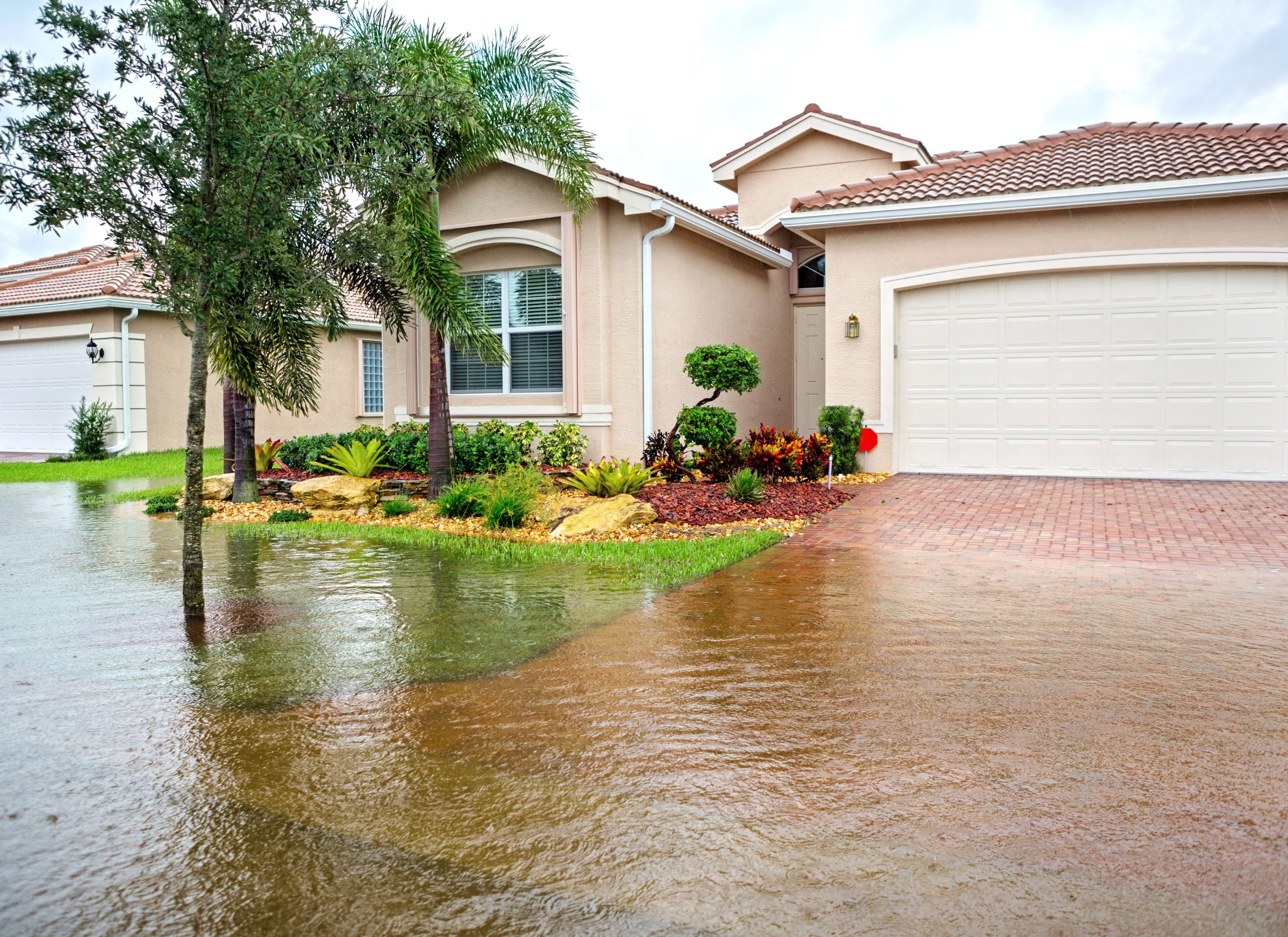
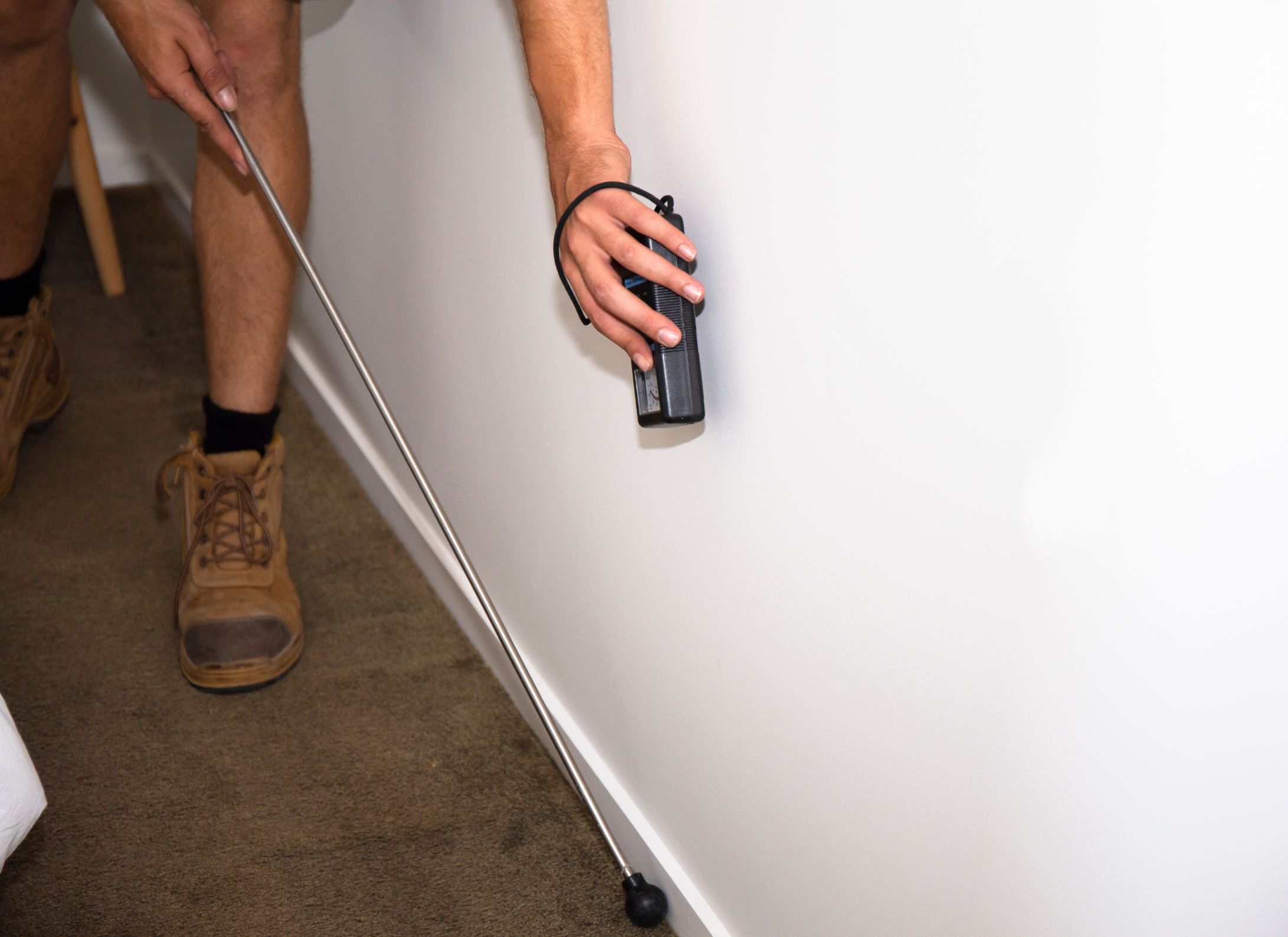
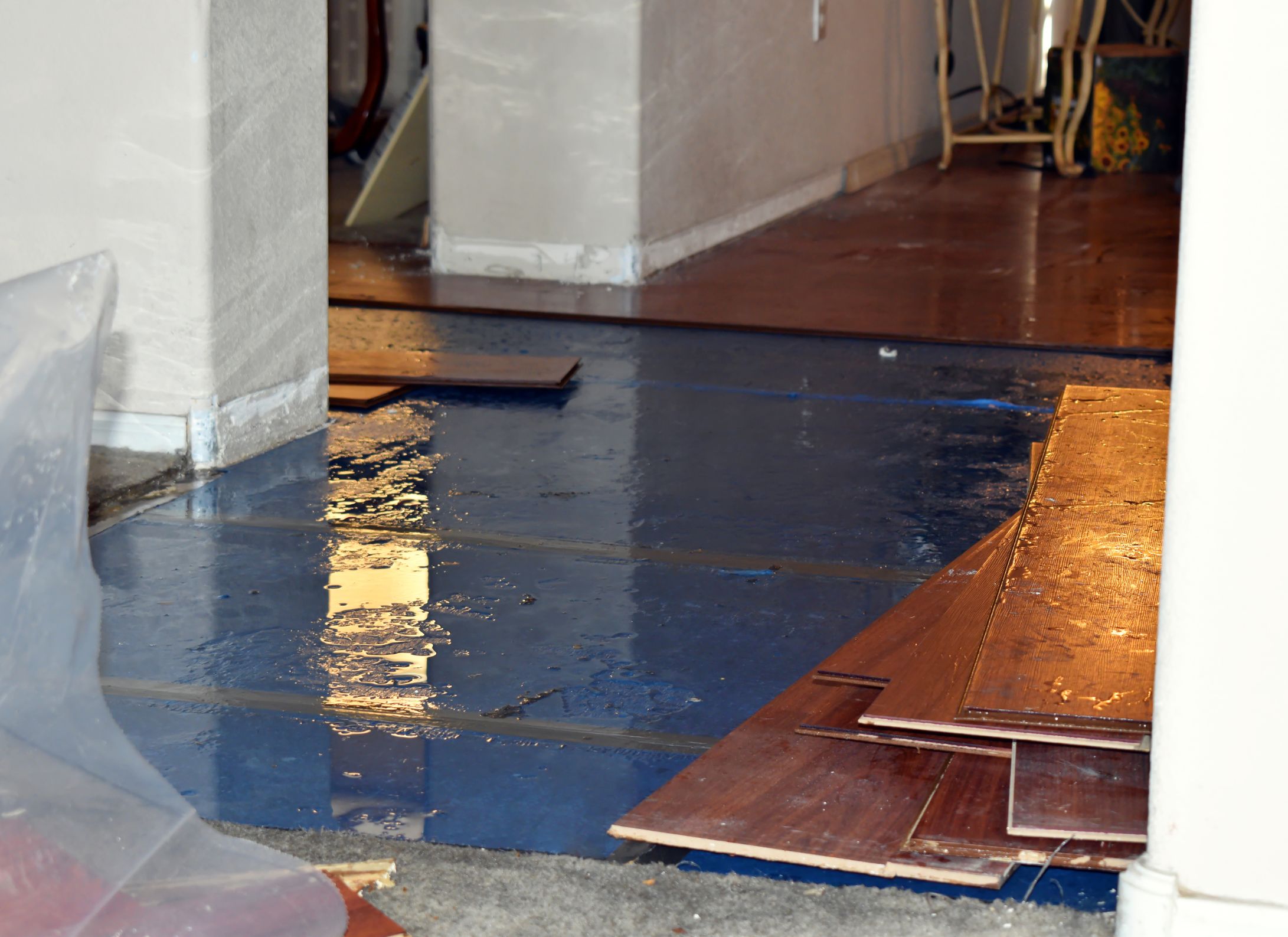
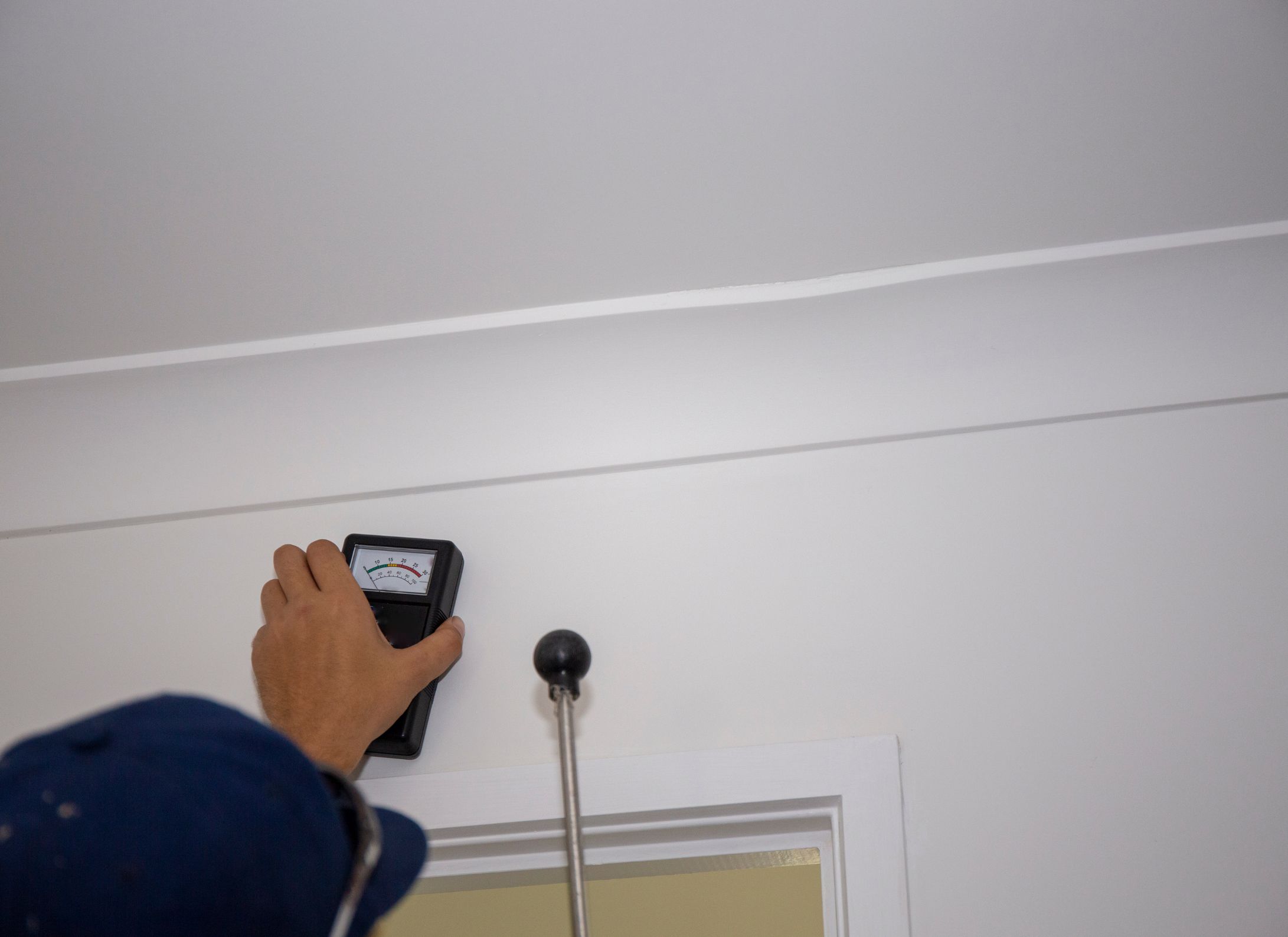
Water is the silent destroyer. Expect checks with moisture meters around bathrooms, laundries, kitchens, external walls and window reveals. Roof leaks, failed flashings, blocked gutters or poor site drainage are frequent culprits in NSW’s storm season.
3) Roofing & Roof Space
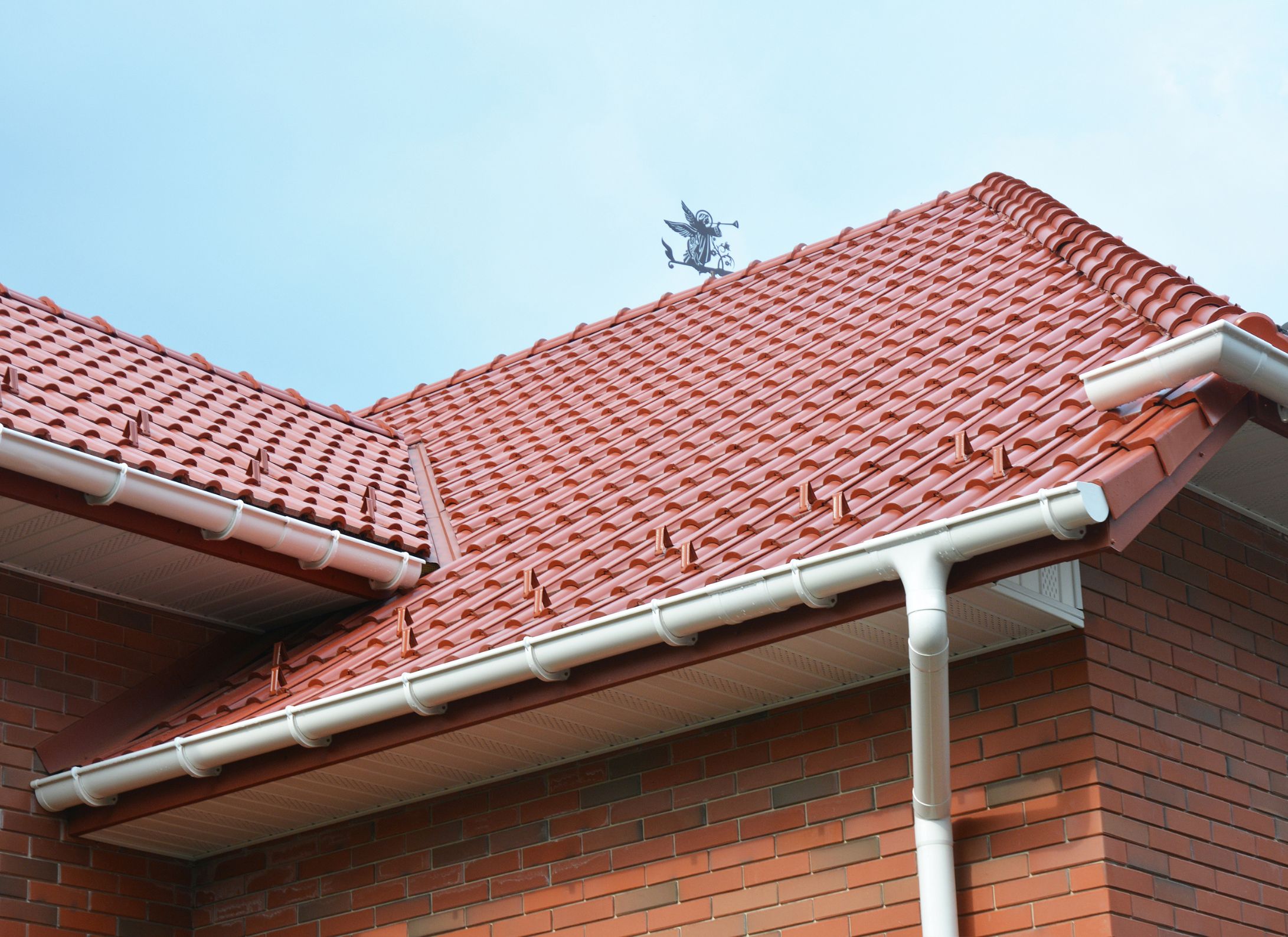
From loose tiles and corroded sheets to failed sarking and insufficient ventilation, the roof is a prime source of leaks. The roof cavity also reveals insulation quality, past water staining and DIY wiring hazards.
4) Termites & Timber Pests
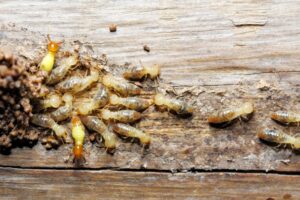
Coastal NSW areas are termite-prone. Inspectors look for mud tubes, damaged timbers and conducive conditions, like garden beds against walls, untreated landscaping timbers, leaking taps and inadequate subfloor ventilation.
5) Subfloor Ventilation & Drainage
Ponding water, high soil levels and blocked vents drive dampness and decay. In older homes with low clearance, restricted airflow accelerates mould, timber rot and termite risk.
6) Bathrooms & Waterproofing
Tiled showers often fail at junctions and around penetrations. Expect moisture readings at skirtings and architraves, grout/caulk checks and notes on ventilation (mechanical extraction beats “open a window”).
7) External Cladding & Weatherproofing
Cracked render, delaminating paint and gaps around windows allow wind-driven rain in. Modern claddings (including composites) require correct flashings and sealants, which inspectors verify visually.
8) Windows & Doors
Rot in timber frames, seized sashes and missing drainage slots (weep holes) point to moisture issues. Poorly sealed doors contribute to drafts and leaks.
9) Electrical (Visual) & Safety Items
While inspectors don’t re-wire, they flag old switchboards, missing safety switches, exposed cabling and DIY add-ons. Safety is paramount, budget for a licensed electrician if defects appear.
10) Plumbing (Visual)
From old galvanised lines to slow drains and leaking traps, plumbing defects become costly quickly. Evidence of previous leaks is a red flag.
11) External Grounds & Site
Inadequate fall away from the dwelling, cracked paths, retaining walls under pressure and unprotected timber structures all contribute to long-term issues.
12) Garages, Decks & Balustrades
Decks and stairs must be sturdy and safe. Rot at ledger boards, corroded fixings and out-of-spec balustrade heights are common compliance issues.
13) Outbuildings & Sheds
Non-compliant add-ons, missing damp-proof courses and substandard footings can still impact your insurance and resale.
14) Evidence of Unapproved Works
Pergolas, internal wall removals and granny flats sometimes lack approvals. Unapproved works can affect finance, insurance and future renovations.
15) Asbestos & Hazardous Materials (Identification Limits)
Many homes built before the late 1980s may contain asbestos. Inspectors note suspect materials and recommend specialist testing where appropriate.
How to Use the Report
- Price negotiations: Quote repair ranges to adjust your offer.
- Contract conditions: Use the report to set clear rectification terms.
- Future budgeting: Prioritise maintenance to protect asset value.
Need a thorough, fast pre-purchase inspection? Book with the team at ausbuildinspection.com.au for clear, actionable reporting.